
The hidden psychological triggers behind gambling behavior What Pin Up Casino reveals
The hidden psychological triggers behind gambling behavior What Pin Up Casino reveals
The allure of risk and reward
Gambling inherently involves risk, which can be thrilling for many. The psychological principle behind this excitement is linked to the concept of variable rewards. Players often feel a rush of adrenaline when they engage in gambling activities, which is largely driven by the unpredictability of winning. The anticipation of a win triggers the brain’s reward system, releasing dopamine and creating feelings of pleasure. This cycle of excitement can lead to repeated gambling behavior, as the brain learns to associate risk with potential reward. If you’re interested in enhancing this experience, consider exploring the https://www.google.pt/url?q=https://pinupcasinobd.net/pin-up-casino-app/ for convenient access to various gaming options.
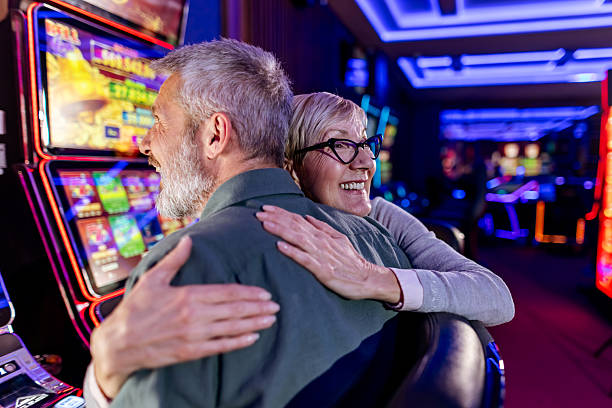
Understanding why individuals are attracted to this risk is crucial. Many gamblers seek an escape from their daily lives or a way to cope with stress. The environment of a casino, including the sound of coins, flashing lights, and the overall atmosphere, amplifies these feelings of excitement and escapism. This sensory stimulation enhances emotional responses and reinforces the desire to continue gambling, often overshadowing the potential for loss. Consequently, this attraction can lead players to overlook the risks in favor of the thrill of the gamble.
Addiction to gambling can also stem from a phenomenon known as the “near-miss effect.” When players experience a close call—like almost winning a jackpot—they often feel encouraged to keep playing, believing that victory is within reach. This psychological trigger can create a cycle of repeated gambling, where each near-miss reinforces the player’s resolve to continue. Thus, the allure of risk and reward plays a significant role in gambling behavior, captivating players in a relentless cycle of hope and excitement.
The role of cognitive biases
Cognitive biases significantly influence gambling behavior, often leading players to make irrational decisions. One common bias is the illusion of control, where individuals believe they can influence the outcome of random games. For instance, gamblers may think that by adopting specific strategies or rituals, they can enhance their chances of winning. This misconception can lead to more frequent gambling, as players feel a false sense of mastery over their luck.
Another prevalent cognitive bias is the gambler’s fallacy, which is the belief that past events affect future outcomes. For example, a player may assume that a particular slot machine is “due” for a win after a series of losses. Such thinking can lead to prolonged gambling sessions, as players chase losses with the hope that their luck will eventually change. These biases illustrate how flawed reasoning can intensify gambling behaviors, making it difficult for individuals to recognize the randomness inherent in these games.
Moreover, confirmation bias also plays a vital role, where gamblers only acknowledge results that support their beliefs while ignoring those that contradict them. This behavior can further entrench poor gambling habits, as players become selective about the information they process. Together, these cognitive biases create a landscape where rational decision-making is often overshadowed by flawed perceptions, reinforcing gambling behavior in ways that can lead to detrimental outcomes.
The social dynamics of gambling
Gambling is often seen as a social activity, which can amplify its appeal. Social connections in casinos or online platforms create an environment where players feel a sense of belonging. Participating in group gambling can enhance enjoyment, as individuals celebrate wins together or share the thrill of the game. This communal aspect fosters a sense of camaraderie, making the experience more engaging and encouraging continued participation.
The presence of social proof further affects gambling behavior. Observing others win can create a perception that success is achievable, prompting individuals to join in. This phenomenon is particularly evident in live settings, where the ambiance of excitement and the reactions of fellow players can heavily influence one’s willingness to gamble. The desire to fit in or to be part of a group can propel individuals into gambling scenarios that they might otherwise avoid.
Additionally, the impact of social media cannot be overlooked in today’s digital age. Online gambling platforms, such as the Pin Up Casino app, create avenues for players to share their experiences and outcomes, further blurring the lines between gambling and social interaction. As players broadcast their wins, they unknowingly encourage their peers to participate, perpetuating a cycle of gambling engagement that is fueled by social reinforcement. This dynamic can make it challenging for individuals to recognize their gambling habits, as they may perceive them as part of a normal social routine.
The emotional factors at play
Emotional factors are a significant driving force behind gambling behavior. Many individuals turn to gambling as a coping mechanism for anxiety, depression, or stress. The temporary escape that gambling provides can be appealing, as players often find solace in the thrill of the game. However, using gambling as an emotional outlet can lead to a cycle of dependency, where players continue to engage in gambling despite negative consequences.
Additionally, the emotional highs and lows of gambling can create an addictive cycle. Winning can produce feelings of euphoria and empowerment, while losses may lead to feelings of frustration or hopelessness. This emotional roller coaster can make gambling increasingly appealing, as players seek to recapture the high of a win. Over time, the emotional investment in gambling can lead to problematic behaviors, as individuals chase losses to regain their previous highs, resulting in deeper entrenchment in gambling habits.
Understanding the emotional drivers behind gambling is essential for addressing problematic behavior. Recognizing how emotions influence gambling decisions can empower individuals to seek healthier coping mechanisms. By acknowledging these emotional triggers, players can begin to disentangle themselves from the compulsive cycle of gambling and take steps towards better emotional regulation and decision-making.
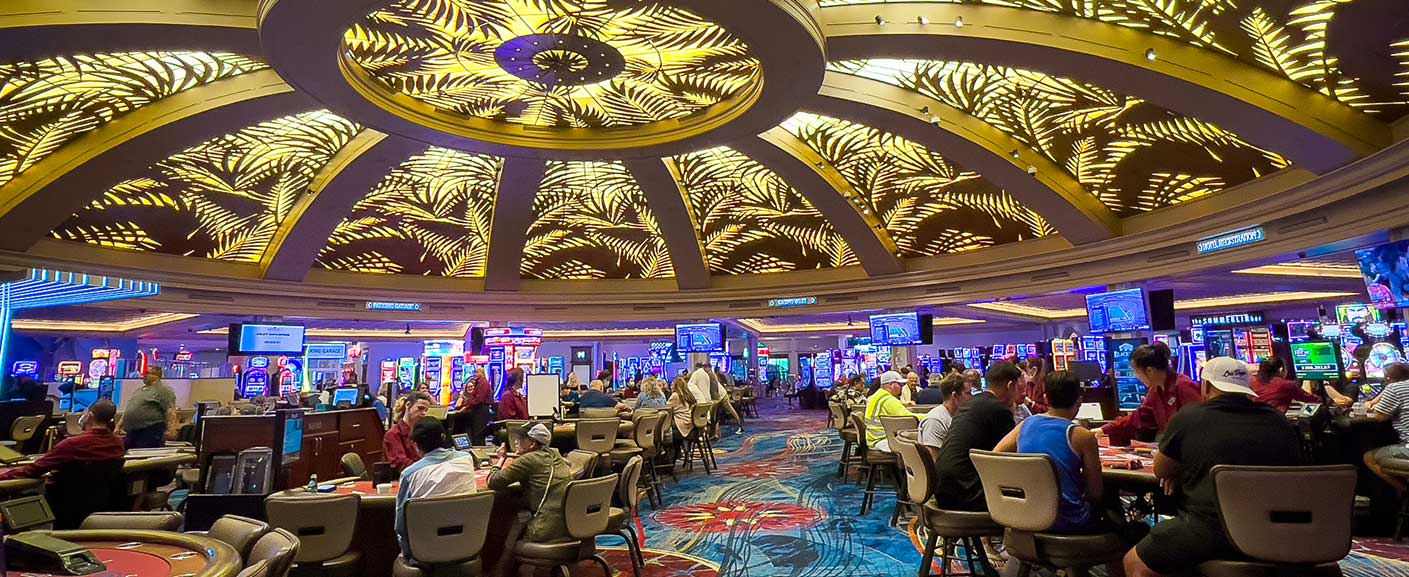
Exploring Pin Up Casino and its insights
The Pin Up Casino app exemplifies the intersection of technology and gambling behavior. Designed to enhance the online gaming experience, the app caters to a diverse audience, offering various games that appeal to different player preferences. By analyzing user interactions and behaviors, the platform sheds light on the psychological triggers that drive gambling. The insights gathered can be invaluable for understanding why players engage with the app and how their habits evolve over time.
Furthermore, Pin Up Casino actively incorporates user feedback to refine its offerings, recognizing that player experiences are foundational to the overall engagement. This focus on user experience helps create a more tailored gaming environment, encouraging users to return while also providing insights into their gambling behaviors. By fostering a sense of community and continuous engagement, the app capitalizes on the psychological factors that attract players in the first place.
Ultimately, exploring the insights revealed by the Pin Up Casino app can contribute to a more nuanced understanding of gambling behavior. By examining the psychological triggers at play, the platform not only enhances user satisfaction but also highlights the importance of responsible gaming practices. This balance between enjoyment and awareness serves as a reminder of the complexities of gambling in the digital age, reinforcing the need for players to remain conscious of their gambling habits.