
The psychology behind your next bet in the casino
The psychology behind your next bet in the casino
The allure of risk-taking
Casinos are designed to be captivating environments, drawing individuals in with the thrill of chance. The psychology behind risk-taking reveals that humans are naturally attracted to uncertainty. This desire for excitement can lead people to engage in gambling as a way to escape reality and embrace the possibility of a big win, especially when they think about the new online casino experiences available. The vibrant lights, sounds of coins, and the potential for large payouts create an irresistible atmosphere that entices people to place their bets.
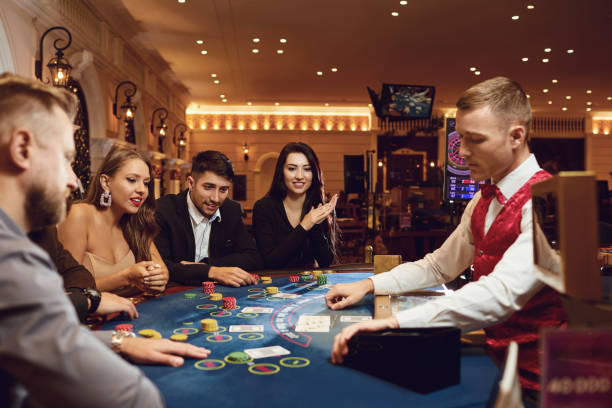
This allure is not just about the money; it’s also tied to the adrenaline rush that accompanies high-stakes gambling. When individuals take risks, their bodies release dopamine, a chemical associated with pleasure and reward. This biochemical response reinforces the behavior, making them more likely to return for another game, despite the odds not being in their favor.
Misperceptions about winning
Many gamblers fall prey to misconceptions about how games of chance function. A common myth is the belief in “hot” or “cold” streaks, where players think that a machine or table is due for a win after a series of losses. This cognitive bias, known as the gambler’s fallacy, can lead individuals to make irrational betting decisions, believing that past outcomes influence future results. In reality, each game is independent, and the odds remain constant regardless of previous spins or deals.
Moreover, the allure of large jackpots often leads to the illusion of better odds. Players might convince themselves that they have a better chance of winning than they actually do, fueling their desire to place higher bets. This mindset can escalate their gambling behavior, leading to increased stakes and potential losses as they chase the thrill of a perceived win.
The impact of emotions on betting behavior
Emotions play a crucial role in the decision-making process when it comes to betting. For many, gambling can evoke a range of feelings, from excitement to anxiety. These emotional responses can significantly influence how much individuals are willing to wager. For example, a player in a euphoric state after a win may become overconfident, leading them to place larger bets than they typically would.
Conversely, feelings of stress or loss can trigger a “chasing” behavior, where individuals increase their bets in an attempt to recover previous losses. This emotional rollercoaster can cloud judgment, causing players to deviate from their planned betting strategies and make impulsive decisions that exacerbate their financial situation.
The role of social influence in gambling
Social factors significantly influence gambling behaviors. In a casino setting, the presence of others can amplify the thrill of betting. Players may feel more compelled to engage in high-stakes gambling when surrounded by enthusiastic peers, leading them to make choices they might not consider when alone. This social validation can create a false sense of security, encouraging riskier bets and fueling a cycle of gambling.
Additionally, the desire to fit in can lead to conformity, where individuals imitate the betting patterns of their friends or fellow players. This herd mentality can overshadow personal judgment, often resulting in poor financial decisions driven by the need for acceptance rather than informed strategy.

Insights about responsible gambling
Understanding the psychology behind betting can promote responsible gambling practices. Recognizing cognitive biases and emotional triggers can help players make informed decisions. Setting limits on time and money spent in casinos can prevent the escalation of gambling behavior, fostering a healthier relationship with betting.
Awareness of the psychological factors at play enables individuals to remain in control and enjoy gambling as a form of entertainment rather than a means of financial gain. By promoting responsible behavior and understanding the mechanics of gambling, players can enjoy the thrill while minimizing the risks associated with excessive betting.